
AI and Your Wallet: How to Use Artificial Intelligence to Automate Your Budget in 2026
If the term "Artificial Intelligence" still makes you think of sci-fi robots taking over the world, it might be time to look at your bank account. In 2026, AI isn't just generating chat responses; it's quietly revolutionising how we manage money in the UK. From apps that "round up" your coffee purchases to algorithms that hunt for wasteful subscriptions, automating your budget has never been smarter—or easier.
What Does "AI Budgeting" Actually Mean?
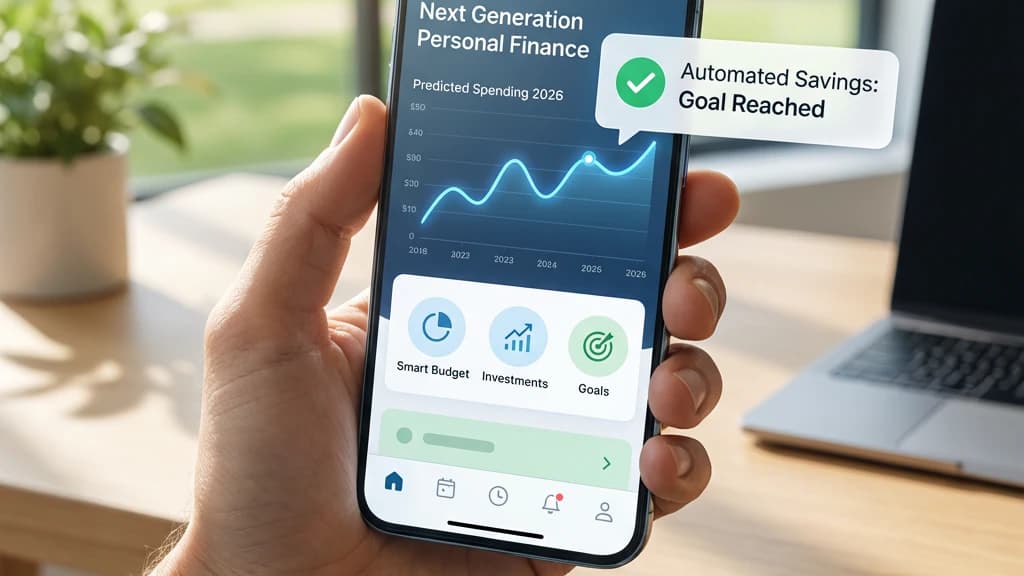
AI budgeting doesn't mean a robot is literally counting your coins. Instead, it refers to financial tools that use predictive analytics and machine learning to analyse your spending habits. Unlike a traditional spreadsheet where you have to manually enter every transaction, AI-powered tools connect directly to your bank accounts via Open Banking technology.
These systems "learn" your regular bills, payday patterns, and spending spikes (like that Friday night takeaway). By understanding your behaviour, they can offer personalised nudges, helping you spot trends you might have missed.
Did You Know?
Open Banking is a secure UK government-backed initiative. It allows you to share your financial data with FCA-regulated third parties safely, without ever sharing your bank login password.
3 Ways AI Can Supercharge Your Savings
1. Smart "Round-Ups" and Auto-Savings
Applications like Plum, Chip, and many banking apps (such as Monzo and Revolut) use AI to calculate exactly how much you can afford to save without going into your overdraft. They might round up every purchase to the nearest pound and move the difference into a savings pot, or analyse your cash flow to sweep small amounts away automatically. It’s the digital equivalent of a swear jar, but for saving money effectively.
2. The Subscription Hunter
We've all signed up for a free trial and forgotten to potential cancel it. AI budgeting tools can scan your direct debits and standing orders to flag recurring payments that look dormant or unusually high. Some services even offer to cancel them for you with a single tap.
3. Predicting the Future (Sort Of)
Imagine knowing you'll be short on cash before it happens. Predictive AI looks at your upcoming scheduled bills and regular spending patterns to alert you if your balance is likely to dip too low before payday. financial insights allow you to adjust your spending in automated wealth systems before you get hit with overdraft fees.
Is It Safe?
Trusting software with your financial data is a big step. In the UK, legitimate AI financial tools must be regulated by the Financial Conduct Authority (FCA).
- Look for the register: Check the FCA register to ensure the app is authorised.
- Read-only access: Most budgeting apps only have "read-only" access, meaning they can see transactions to help you but cannot move money without your permission.
- Bank-level security: They use the same encryption standards as major high street banks.
How to Get Started Today
Ready to let AI handle the heavy lifting? Here is a simple plan to automate your budget:
- Audit your current setup: Check if your current bank already offers spending insights. Many traditional banks are catching up with challengers.
- Choose a dedicated tool: If your bank's features are basic, look for third-party apps specialised in tracking expenses.
- Start small: Enable "round-ups" first. Once you're comfortable, explore auto-saving algorithms.
- Review regularly: AI is a tool, not a replacement for your judgment. Check in monthly to ensure the automated choices still align with your goals.